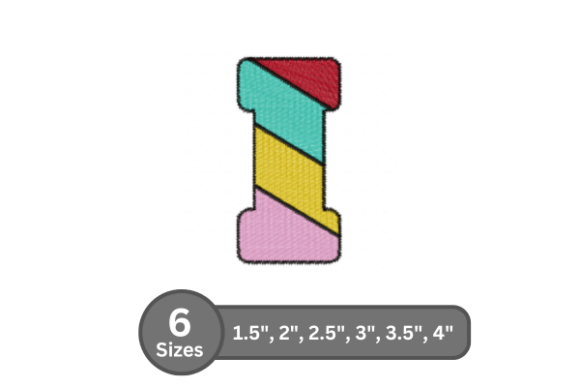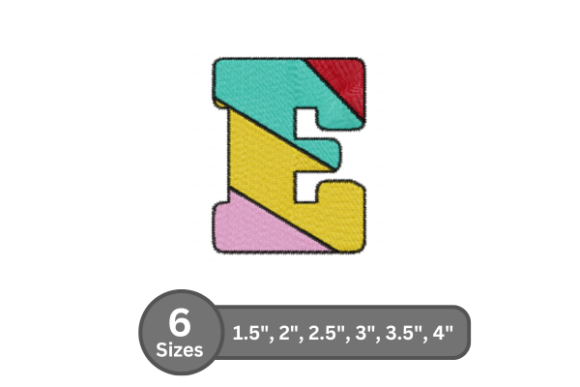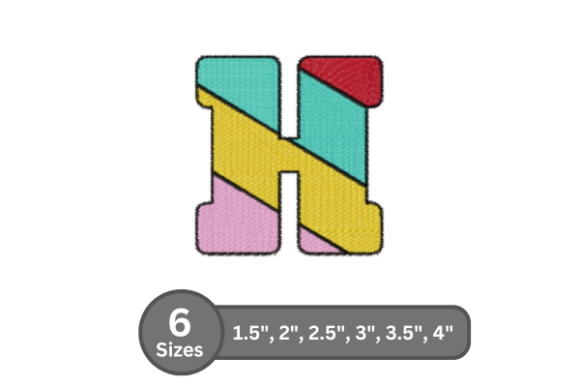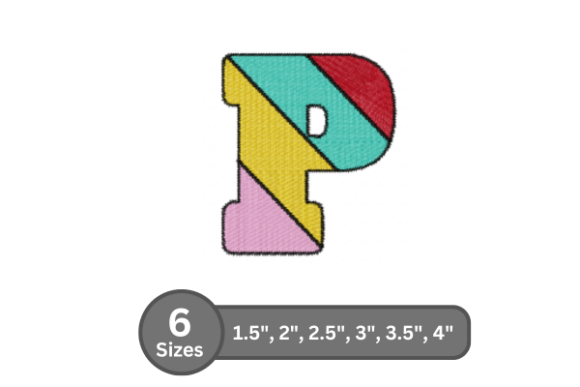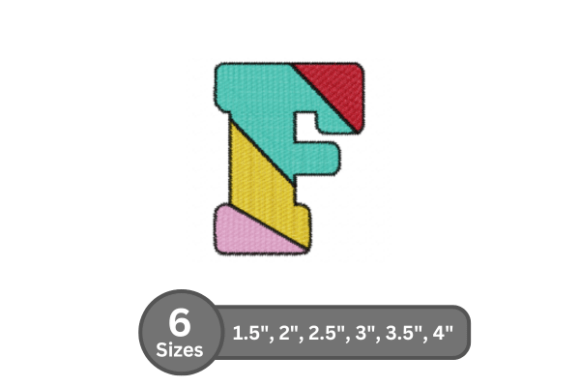
Candy Stripe Alphabet - F Embroidery Design Review
As an embroidery designer who spends weekends hunched over a booth table at local craft fairs, I know that the difference between a sale and a pass often comes down to visual impact. Customers walk by quickly. They glance, they judge, and they decide in seconds whether a handmade item is worth their time. That is why when I look at a new machine embroidery design, I am not just looking at the code; I am looking at the product potential. Today, I am reviewing Candy Stripe Alphabet - F, a fill stitch font that promises smooth stitching and professional results. If you are an Etsy seller, a boutique maker, or anyone selling handmade products at weekend markets, this review will help you decide if this design belongs in your production queue.
First Impressions: Bold, Playful, and Highly Marketable
The name "Candy Stripe" immediately sets a specific mood. It suggests nostalgia, playfulness, and a touch of retro charm. When I first analyzed the digitization of Candy Stripe Alphabet - F, my immediate thought was about its versatility for personalization. The fill stitch technique gives it a textured, premium feel that flat satin stitches cannot replicate. It feels modern yet soft, making it perfect for items targeted at children, teachers, or anyone looking for a cheerful aesthetic.
For a craft fair booth, this design stands out because it breaks the monotony of standard block letters. While many competitors use simple monograms, a candy stripe pattern adds visual weight without being overwhelming. It reads as a crafter fair product that has been carefully considered. It is not just a letter; it is a decorative element. This distinction is crucial for increasing the perceived value of your small shop product. When a customer sees a tote bag with a bold, striped initial, they see effort and style, which justifies a higher price point.
Product Applications: Where This Design Shines
To maximize sales, you need to match the right design to the right substrate. Based on my experience producing commercial embroidery items, here is where Candy Stripe Alphabet - F will perform best:
- Tote Bags and Market Bags: This is perhaps the strongest application. A large single letter on a canvas tote creates a striking focal point. The contrast of the stripes against the natural or colored canvas draws the eye from across the room. It works exceptionally well as a tote bag design for students or shoppers.
- Aprons and Tea Towels: For kitchen items, the playful nature of the stripes fits perfectly with farmhouse or modern rustic decor trends. An apron embroidery featuring this font can serve as a great gift for teachers, chefs, or hosts. Similarly, tea towel embroidery allows for smaller applications, such as a single initial in the corner, which adds a personalized touch without cluttering the fabric.
- Embroidered Patches and Caps: If digitized correctly, this font can be adapted into patches. Patches are high-margin items at craft fairs because they are easy to display and ship. Applying this to the front of a cap or a denim jacket creates a trendy, customized look that appeals to younger demographics.
- Fabric Pouches and Pillow Covers: Small pouches for makeup or tech accessories benefit from the compact nature of a single letter. On pillow covers, the design can be scaled up to become a statement piece for a nursery or a child’s bedroom, aligning well with the School category themes like back-to-school supplies.
Production Practicality and Visual Appeal
From a production standpoint, efficiency is key. You want designs that stitch reliably and photograph well. Candy Stripe Alphabet - F excels in both areas. The fill stitch construction generally offers good coverage, meaning fewer jumps and trims compared to complex outline fonts. This translates to faster hoop times, allowing you to produce more units during a busy market season.
When creating listings for online platforms, photography is everything. Because this design uses color blocking (the stripes), it photographs beautifully. The alternating colors create depth and shadow, making your printable mockup or real-life photos pop on social media. It catches light differently than solid fills, giving your design assets a dynamic look that stops the scroll. For the Etsy seller, this means better click-through rates on your listings.
Furthermore, the design is highly repeatable. Whether you are making a batch of ten identical items for a pre-order or customizing five different initials, the stability of the digitization ensures consistency. Customers expect uniformity in handmade goods, and a poorly digitized font can ruin a brand's reputation. Since this file was described as being carefully digitized for smooth stitching, you can trust that the transition between stripe segments will be clean, reducing the risk of thread breaks or puckering.
Styling and Thread Choices
The success of this design heavily relies on your choice of thread colors. To maintain the "candy" vibe, consider using bright, contrasting threads for the stripes against a neutral background fabric. Alternatively, for a more subtle, elegant look, use tonal threads where the stripes are slightly darker or lighter than the base fabric. Experimenting with these combinations allows you to offer variations, such as pastel versions for baby showers or vibrant versions for summer events.
Important Considerations and Careful Use Notes
Even the best embroidery files require careful handling. Here are critical notes to keep in mind before you start mass-producing:
- Stitch Density and Fabric Texture: Fill stitches can be dense. Always test on your actual product fabric. On thick fabrics like heavy canvas, ensure your machine has enough power to penetrate. On textured towels, the loopiness might obscure the fine details of the stripes, so inspect the clarity closely.
- Small Lettering and Tiny Details: Be cautious when scaling this design down too small. The individual stripes may merge together, losing the distinct pattern effect. Keep the minimum size large enough to preserve the visual integrity of the candy stripe motif.
- Curved Surfaces: If applying this to caps, the curvature of the hat can distort the straight lines of the stripes. You may need to adjust the hooping technique or use a specialized cap frame to maintain alignment.
- Dark Fabric Challenges: Ensure high thread contrast. Light stripes on dark fabric can sometimes appear muddy if the underlay is not sufficient. Test this combination specifically to avoid transparency issues.
Designer’s Checklist for Production Success
Before committing to a full run for your next craft fair, follow these practical steps:
- Test on Scrap Fabric: Never assume the digitization will work perfectly on every material. Stitch a sample on the exact fabric you plan to sell.
- Check Hoop Size: Confirm the required hoop size matches your machine’s capabilities and the dimensions of your product.
- Use the Right Stabilizer: Proper stabilization prevents puckering, especially with dense fill stitches. Use cut-away stabilizer for stretchy fabrics like caps and knits, and tear-away for stable wovens.
- Create Real Mockups: Do not rely solely on digital previews. Create at least one physical mockup to evaluate how the texture looks in person.
- Confirm Commercial Licensing: Verify that you have the rights to sell finished products made with this digital embroidery file. Commercial licensing varies by creator, and compliance protects your business.
Final Verdict
Candy Stripe Alphabet - F is a strong contender for any crafter looking to add personality to their finished product line. Its blend of retro charm and modern execution makes it suitable for a wide range of customers, from parents buying school supplies to young adults seeking unique gifts. By paying attention to thread contrast, fabric selection, and proper stabilization, you can leverage this design to create standout items that drive engagement at your booth and sales on your online store. It is a versatile, visually appealing addition to your collection of design assets that balances aesthetic appeal with production reliability.