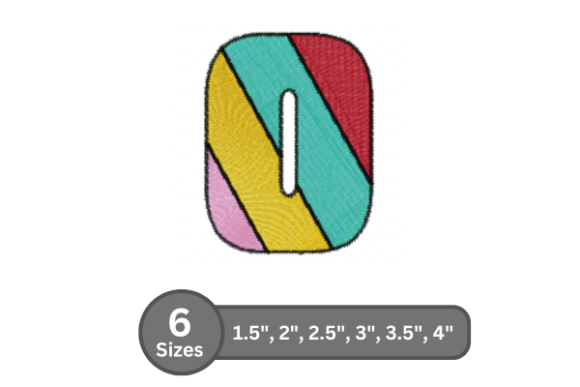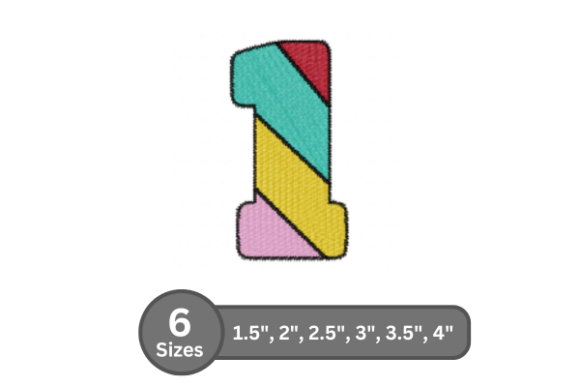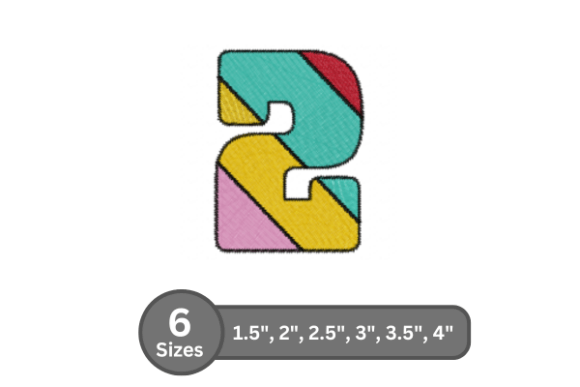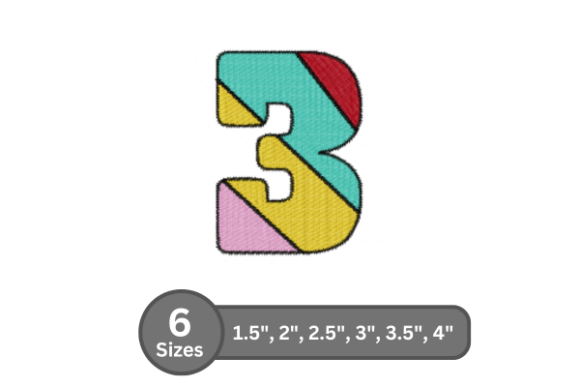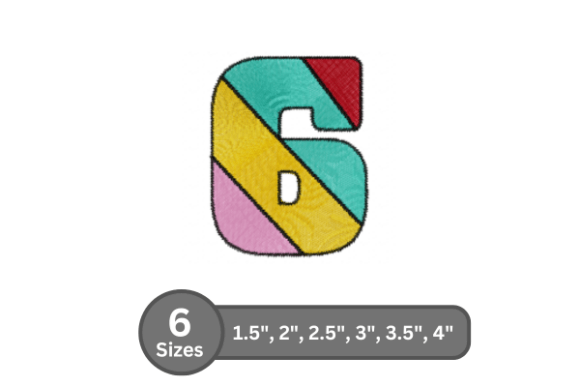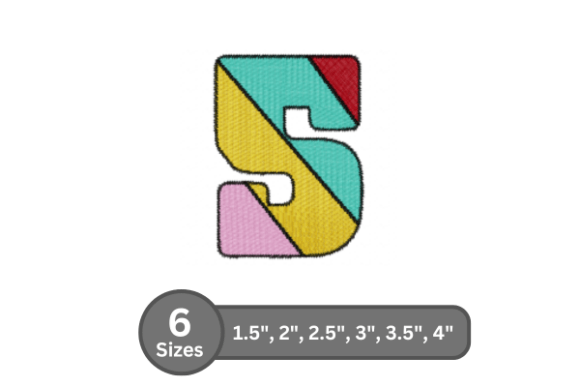
Candy Stripe Number -5 Review
As an embroidery designer who has spent years digitizing fonts and evaluating designs for commercial viability, I look at every new asset with a critical eye. When I first encountered Candy Stripe Number -5, my immediate question was not just about aesthetics, but about utility. Does this design hold up under the pressure of daily wear? Does it translate well from a digital screen to a physical garment? For small business owners, Etsy sellers, and apparel decorators, the answer lies in the details of the stitch work and the overall personality of the typeface.
This machine embroidery design is marketed as a fill stitch font, carefully digitized for smooth stitching and professional results. The description highlights its suitability for personalizing clothing, bags, and towels, which immediately signals its potential for high-volume, low-complexity branding projects. But does it deliver on that promise? Let’s break down how Candy Stripe Number -5 performs in real-world business applications.
First Impressions: Personality and Visual Appeal
The name "Candy Stripe" suggests a playful, retro, or perhaps slightly whimsical aesthetic. In the world of brand identity, this is a powerful tool if used correctly. It feels friendly, approachable, and distinctly handmade. Unlike rigid, corporate sans-serif fonts, this design likely carries a texture that adds depth and character to any project. For a boutique bakery, a handmade soap shop, or a creative studio, this level of visual warmth can significantly enhance customer engagement.
However, "friendly" does not mean "unprofessional." A well-executed fill stitch font can elevate a product from a generic craft item to a premium branded good. The key is understanding that this design is decorative by nature. It works best when it serves as a focal point or a distinctive accent rather than dense body text. If you are looking for clean, minimalist data entry, this might not be your go-to. But if you are aiming for a handmade product vibe that stands out on social media, the visual personality here is strong.
Real-World Business Applications
So, where does Candy Stripe Number -5 shine? Based on its construction as a fill stitch font, it is exceptionally well-suited for items that benefit from texture and boldness. Here are several scenarios where this design adds tangible value:
- Embroidered Patches: This is perhaps the strongest use case. The fill stitches provide a solid, durable surface that holds up well to friction. Whether you are creating back patches for a leather jacket or small logo patches for denim jackets, the density of the fill ensures longevity.
- Apron Embroidery: For café staff or culinary brands, aprons are walking billboards. The playful nature of the font fits perfectly with food and beverage industries. It conveys warmth and hospitality, making customers feel more connected to the brand.
- Tote Bag Design: Canvas tote bags are a staple for small business merch. The contrast between the rough canvas texture and the smooth, dense stitches of the font creates a beautiful tactile experience. It elevates a simple bag into a desirable accessory.
- Cap Embroidery: While curved surfaces present challenges, a well-digitized fill font can work on the front panel of a cap. The rounded edges of the letters (if present in the design) can complement the curve of the hat, creating a cohesive look.
- Custom Apparel Accents: Use this design for sleeve cuffs, pocket squares, or hem labels. It adds a subtle yet distinctive detail that discerning customers appreciate.
For Etsy sellers and digital embroidery file buyers, versatility is key. This design allows for easy customization. You can change the thread colors to match seasonal themes—pastels for spring, brights for summer, or muted tones for autumn. This flexibility extends the life of the design asset, allowing you to keep your offerings fresh without constantly buying new files.
Strategic Considerations and Limitations
No design is perfect for every situation. As a professional, you must recognize where Candy Stripe Number -5 might struggle. Understanding these limitations prevents costly production errors and protects your reputation.
First, consider scale. Fill stitch fonts require a certain amount of space to breathe. Attempting to embroider this design at a very small size, such as on a tiny embroidered patch label or a micro-logo on a shirt cuff, may result in a muddy, indistinct image. The individual stitches will merge, losing the definition of the letters. Always test at the final intended size before committing to production.
Second, evaluate the fabric texture. On highly textured fabrics like heavy tweed or loose-weave linen, the precision of the fill stitch can be compromised. The needle may catch on the weave, leading to puckering or misalignment. Smooth cottons, poly-cotton blends, and canvas are ideal candidates. Similarly, dark uniforms can pose a challenge if the thread color contrast is not high enough. Ensure your thread colors are chosen carefully to maintain readability against the background fabric.
Third, think about durability. Items that undergo frequent washing, such as work shirts or kitchen aprons, need robust designs. While fill stitches are generally durable, excessive stitch density can make the fabric stiff and prone to tearing over time. Check the digitization for balanced density. If the design feels too heavy, it may not survive the laundry cycle of a busy restaurant or workshop.
Affecting Brand Identity and Trust
In the age of online shopping, visual consistency is paramount. Using a cohesive set of design assets across your products builds trust. If your logo is modern and sleek, but your product labels feature a overly rustic, messy font, the brand message becomes confused. Candy Stripe Number -5 works best when it aligns with a brand that values craftsmanship, nostalgia, or playfulness. It signals to the buyer that attention has been paid to the details, enhancing the perceived value of the finished product.
When customers see high-quality embroidery, they associate it with quality itself. A sloppy digitization job can undermine even the best product. Conversely, a clean, smooth fill stitch demonstrates professionalism. It tells the customer that your business cares about the finish, which can lead to higher retention rates and positive reviews.
Practical Designer Notes for Production
Before you upload this file to your machine and start running orders, follow these essential steps to ensure success:
- Test in Black and White: Convert the design to monochrome to check the spacing and balance. If it looks cluttered in black and white, it will look worse in color.
- Check Hoop Size: Confirm the recommended hoop size for the design. Running a large font in a small hoop requires significant scaling, which can distort the aspect ratio.
- Select Proper Stabilizer: The choice of stabilizer is crucial for fill stitches. A cut-away stabilizer is often recommended for garments to prevent distortion during long runs, while tear-away might suffice for lightweight bags.
- Create a Printable Mockup: Before investing in thread and fabric, create a printable mockup for client approval. This allows stakeholders to visualize the design on the actual product without wasting resources.
- Inspect Thread Color Contrast: Test different thread combinations. A light thread on a dark fabric requires a different digitization approach than dark on light. Ensure the fill covers the fabric completely to avoid showing through.
- Confirm Commercial Licensing: Always verify the commercial embroidery rights associated with the file. Ensure you have the legal right to sell products made with this design, especially if you are using it for mass-produced merchandise.
In conclusion, Candy Stripe Number -5 is a versatile and charming addition to any digital embroidery file library. It offers a distinct personality that can enhance brand identity for businesses focused on handmade, artisanal, or playful aesthetics. By understanding its strengths in fill stitch application and respecting its limitations regarding size and fabric, designers can leverage this font to create memorable, high-quality merchandise that resonates with customers.