Color Bar Number -1: A Designer’s Review for Small Business Merch
As an embroidery designer who has spent years digitizing files and troubleshooting stitch errors, I approach every new design asset with a critical eye. For small business owners, Etsy sellers, and apparel decorators, the difference between a "nice" design and a professional finished product often comes down to legibility, durability, and brand alignment. Today, I am reviewing Color Bar Number -1, a fill stitch embroidery font that promises smooth stitching and professional results. But does it hold up when applied to real-world merchandise like branded patches, staff uniforms, or boutique tote bags?
This review focuses on practical application. We will look at how this machine embroidery design performs in commercial settings, where it shines, and where you might need to exercise caution before sending it to production.
First Impressions: Visual Personality and Brand Fit
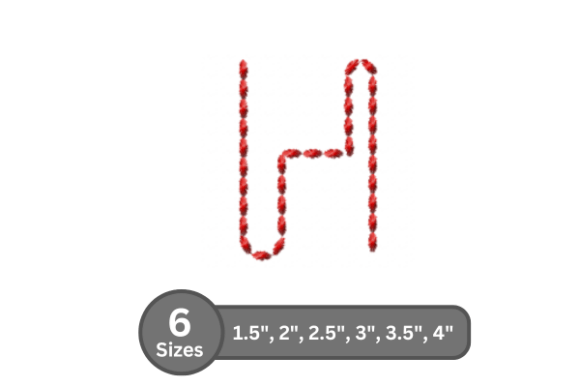
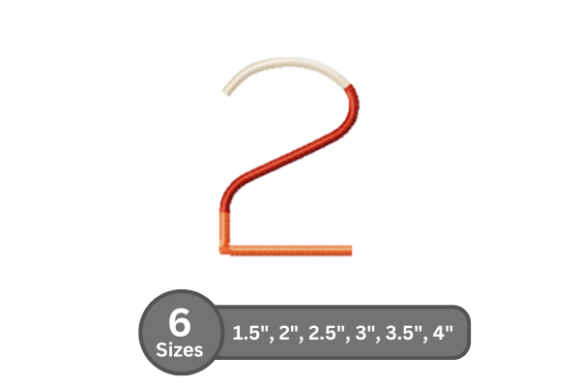
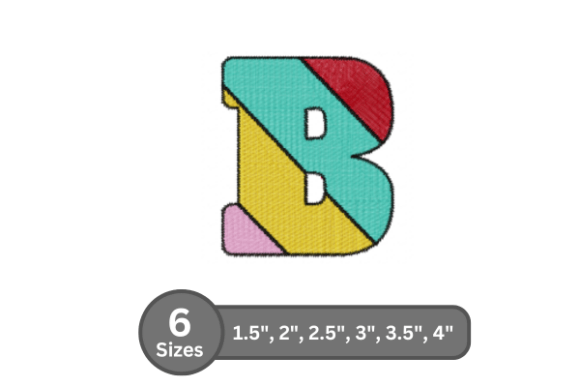
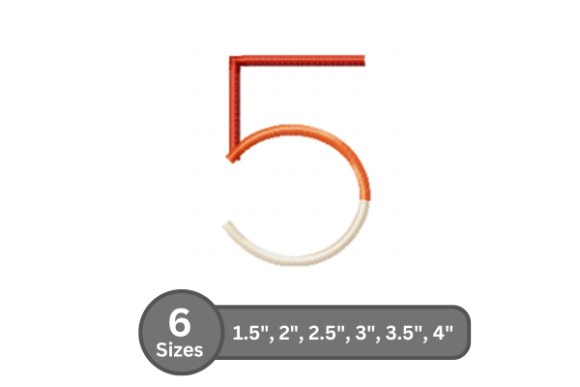
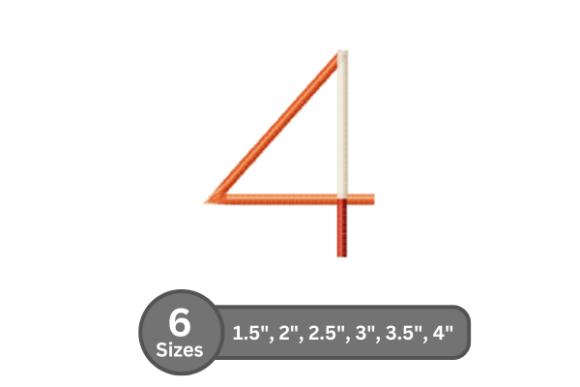
When I first opened the preview for Color Bar Number -1, my immediate reaction was one of structured modernity. The title suggests a geometric, perhaps numerical or bar-code-inspired aesthetic, which immediately signals utility and organization. In the world of branding, clarity is king. This design does not feel overly decorative or whimsical; instead, it leans towards a bold, clean, and contemporary vibe.
For a small café, a creative studio, or a local bakery, this font style can communicate efficiency and attention to detail. It feels less like a handwritten script (which can sometimes look unpolished if digitized poorly) and more like a established corporate identity. However, because it is described as a "fill stitch" font, we must consider the texture it creates. Fill stitches cover large areas, meaning the visual weight of this design is significant. It commands space on a garment or accessory, making it ideal for statements rather than subtle whispers.
The "School" category tag might suggest academic use, but don’t let that limit your imagination. While it works beautifully for student clubs or educational institutions, its clean lines also translate exceptionally well to minimalist fashion brands, tech startups, or any business that values a sleek, organized aesthetic. If your brand identity relies on trust, precision, and modernity, Color Bar Number -1 is a strong contender.
Real-World Application: Where This Design Shines
Let’s move from theory to practice. How does this embroidery file perform when stitched onto actual products? Here are some high-value use cases for small business merch creators:
- Branded Patches: One of the most profitable items for craft businesses is the embroidered patch. Color Bar Number -1’s solid fill structure makes it excellent for patches because the dense stitching holds up well against friction and washing. Whether used as a back-of-cap logo or a sleeve accent, the fill stitches provide a durable surface that resists pilling better than delicate satin stitches.
- Staff Uniforms and Aprons: For cafes or boutiques, consistency is key. Using this design for employee name tags or uniform accents ensures a unified look. The bold nature of the font ensures that names or labels remain readable from a distance, which is crucial for customer service interactions.
- Tote Bag Designs: Tote bags are ubiquitous marketing tools. Because this is a fill stitch design, it creates a tactile, raised texture on canvas or cotton totes. This adds perceived value to the product, making it feel like a premium item rather than a cheap giveaway. It pairs well with simple thread colors to create a striking contrast against neutral bag fabrics.
- Product Packaging Accents: Don’t overlook the unboxing experience. Stitching a small version of this design onto hangtags, fabric labels, or even directly onto reusable shopping bags can elevate your handmade product presentation. It signals to the buyer that you care about the details.
- Caps and Hats: Cap embroidery requires designs that conform to curved surfaces. The blocky, bar-like structure of Color Bar Number -1 likely translates well to the front panel of a cap, provided the hoop size allows for proper tension. It offers a modern alternative to traditional circular logos.
Critical Considerations: Where to Exercise Caution
Even the best digitized fonts have limitations. As a designer, I advise you to be mindful of the following constraints before committing to bulk production:
- Small Patch Sizes: While fill stitches are durable, they require a minimum size to look good. If you attempt to shrink Color Bar Number -1 too small, the individual stitches may merge into a blurry blob, losing the distinct "bar" character. Always test at 100% scale first.
- High Stitch Density: Fill stitches inherently use more thread than outline designs. This increases production time and cost per unit. Ensure your profit margins account for the higher thread usage and longer machine run times.
- Fabric Texture and Stability: On highly textured fabrics like heavy denim or loose-weave linen, the fine details of the font might get lost. Additionally, ensure you use the correct stabilizer. A dense fill design on a soft t-shirt without adequate tear-away or cut-away stabilizer will likely pucker, ruining the finished product.
- Curved Surfaces: When embroidering on sleeves or curved hat fronts, distortion can occur. The straight lines of the bars may warp if the hoop tension isn't perfect. Always do a test run on scrap material that matches your final fabric.
- Thread Color Contrast: The effectiveness of this design relies heavily on contrast. A light grey fill on a white shirt will disappear. Plan your thread colors carefully to ensure the design pops against your chosen garment color.
Impact on Brand Identity and Customer Trust
In the digital age, physical touchpoints matter. A well-executed embroidery project reinforces brand identity in a way that printing cannot. Embroidery implies permanence and quality. When a customer sees Color Bar Number -1 stitched neatly onto a tote or apron, they subconsciously associate that precision with your overall business practices.
For Etsy sellers and online merchants, providing a printable mockup of this design on various products can significantly boost conversion rates. It helps buyers visualize the custom apparel or merchandise they are purchasing. Furthermore, using consistent design assets across all touchpoints—from social media graphics to physical tags—builds recognition and trust.
Practical Designer Notes for Production
Before you load this digital embroidery file into your machine for a client order, follow these steps:
- Test in Black and White: Convert the design to monochrome to check spacing and balance without being distracted by color choices.
- Review Spacing: Zoom in on the digitization. Are there any gaps where the fabric shows through unintentionally? Is the underlay sufficient to anchor the top stitches?
- Confirm Hoop Size: Ensure the design fits within your standard hoops. If the design is large, you may need a multi-head machine or multiple hooping operations.
- Create a Mockup: Use software to overlay the design on photos of your actual products. Does it look balanced? Is it centered correctly?
- Check Commercial Licensing: Verify that you have the right to use this design for commercial resale. Some design assets are restricted to personal use only.
In conclusion, Color Bar Number -1 is a versatile, professional-grade fill stitch font that serves small businesses well. Its modern, bold aesthetic makes it suitable for a wide range of applications, from apron embroidery to tote bag design. By paying attention to stitch density, fabric choice, and proper stabilization, you can leverage this design to create high-quality, marketable merchandise that enhances your brand’s reputation.