Leopard Cherry Checker Teacher Bolt Review
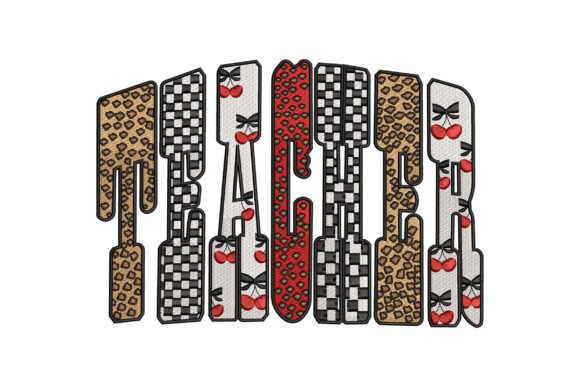
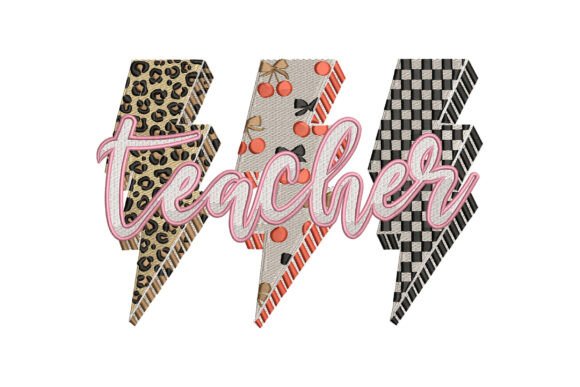
If you have ever stood behind a craft fair table, watching customers drift past your booth with only seconds to decide whether to stop, you know that first impression is everything. As an embroidery designer who has produced hundreds of designs for handmade markets and online shops, I look at a design file not just as art, but as a potential product. Today, I am reviewing the Leopard Cherry Checker Teacher Bolt. At first glance, the title suggests a chaotic mix of patterns—leopard print, cherries, checkerboard—but in the world of machine embroidery, this specific combination often signals a bold, playful, and highly nostalgic aesthetic. It feels less like a subtle accent and more like a statement piece.
This machine embroidery design promises to add vibrant and imaginative flair to t-shirts, towels, and home decor. But does it translate well from the screen to the hoop? And more importantly, will it sell at a weekend market or convert on Etsy? Let’s break down the visual appeal, production practicality, and commercial viability of this design for craft fair sellers, boutique makers, and creative entrepreneurs.
First Impressions: Bold, Playful, and Highly Marketable
The Leopard Cherry Checker Teacher Bolt immediately strikes me as a design that leans into the "maximalist" trend without feeling cluttered, provided the execution is clean. The juxtaposition of animal print (leopard), fruit (cherry), and geometric structure (checker) creates a dynamic visual rhythm. In a physical setting, this kind of high-contrast, multi-element design stops people in their tracks. It reads as fun, confident, and slightly retro—a mood that resonates strongly with the millennial and Gen Z demographics that frequent craft fairs and browse handmade marketplaces.
For an Etsy seller or a digital designer selling design assets, this is a strong keyword-friendly concept. It taps into school spirit aesthetics (due to the "Teacher" and "Checker" elements) while maintaining a fashionable edge. It doesn’t feel strictly utilitarian; it feels decorative and premium. When customers see a finished product with this level of pattern complexity, they perceive higher value. They see time, skill, and creativity invested in the item.
Product Applications: Where This Design Shines
Not every embroidery file works on every substrate. To maximize sales, you need to match the design’s scale and density to the right craft fair product. Here is how I would deploy the Leopard Cherry Checker Teacher Bolt across a typical booth display:
- Tote Bags and Market Bags: This is likely the highest-volume seller. A sturdy canvas tote bag provides a large, flat surface area that allows the checker and leopard elements to breathe. The boldness of the design contrasts beautifully against neutral canvas colors like cream, black, or navy. For an Etsy seller, offering custom name personalization alongside this design can significantly increase the average order value.
- Kitchen Towels and Aprons: The description mentions towels specifically, and for good reason. A tea towel embroidered with this motif becomes an instant giftable item. However, be mindful of fabric texture. Terry cloth or highly textured waffle weaves can obscure fine details. Stick to smooth cotton twill for the best results. An apron embroidery application works well if placed on the bib or lower pocket, serving as a focal point that draws attention to the wearer.
- Embroidered Patches and Caps: If the design includes a defined border, it translates exceptionally well as a sew-on patch. These are low-cost, high-margin items perfect for impulse buys at a craft fair. For caps, the curved surface presents a challenge. Complex multi-pattern designs can distort when stitched onto the front panel of a baseball cap unless the digitizing is expertly done. Test this thoroughly before committing to batch production.
- Pillow Covers and Home Decor: For the home decor angle, this design adds a pop of personality to throw pillows. It fits well in modern farmhouse or eclectic boho interiors. The key here is color coordination. Ensure your thread colors complement the base fabric to maintain a cohesive brand look.
Production Practicality and Technical Considerations
As a professional, I cannot stress enough the importance of testing before production. The Leopard Cherry Checker Teacher Bolt involves multiple distinct patterns. This raises several technical flags that every embroiderer must address:
Stitch Density and Fabric Texture
When combining leopard spots, cherry shapes, and checker squares, you risk creating areas of extreme stitch density. High density can cause puckering, especially on lightweight fabrics or delicate threads. You must inspect the stitch density in your embroidery software. If certain areas are too packed, consider reducing the fill density or adding negative space. Furthermore, check how the design interacts with different fabric textures. On a rough burlap tote, small details might get lost. On silk, the heavy stitching might cause the fabric to warp.
Hoop Size and Stability
Ensure the hoop size accommodates the full design without requiring re-hooping, which can misalign the patterns. Using the right stabilizer is non-negotiable. For totes and aprons, cut-away stabilizer is usually best to provide long-term support. For towels, tear-away may suffice, but test for stability first. A poorly stabilized design will look amateurish, damaging your reputation as a small shop product creator.
Thread Contrast and Colorfastness
The success of this design hinges on thread contrast. Leopard print often uses golds, browns, and blacks. Cherries bring reds and greens. Checkers introduce primary or secondary colors. Ensure these threads do not blend into each other or the background fabric. Dark fabrics require bright, opaque threads to make the design pop. Always run a test swatch to check for thread colors bleeding or fading, especially if the final product will be washed frequently.
Selling Strategy: From Booth to Digital Listing
How do you present the Leopard Cherry Checker Teacher Bolt to drive sales? Visual storytelling is key. Create printable mockups that show the design on various products in lifestyle settings. Show the tote bag filled with groceries, the apron worn in a cozy kitchen, or the patch attached to a denim jacket. These images help buyers visualize the product in their own lives.
For your booth display, group similar items together. A wall of tote bags featuring this design creates a powerful visual impact. Use signage that highlights the unique combination of patterns—"Bold. Playful. Unique." Emphasize the handmade quality. Customers at craft fairs are buying the story and the craftsmanship, not just the object. Mentioning that each item is carefully stitched with attention to detail reinforces the perceived value.
If you are selling this as a digital embroidery file to other designers, provide clear instructions. Specify compatible formats, recommended fabric types, and hoop sizes. Include a disclaimer about commercial licensing. While the design itself may be licensed for commercial use, always verify the terms before selling finished products. Transparency builds trust with your customer base.
Final Verdict: Is It Worth the Hoop Time?
The Leopard Cherry Checker Teacher Bolt is a versatile, eye-catching design that has strong potential for both physical craft fairs and digital marketplaces. Its bold aesthetic stands out in a crowded market, appealing to customers who want unique, expressive accessories. However, its complexity requires careful planning. Pay close attention to stitch density, stabilizer choice, and thread contrast to ensure a professional finish.
Before mass producing, create at least one real mockup. Embroider the design on a tote bag, an apron, and a towel. Inspect the back for cleanliness, check the front for clarity, and evaluate the overall drape of the fabric. If the test runs smoothly, you have a winner. This design can elevate your commercial embroidery offerings, attract new customers, and become a staple in your handmade inventory. Just remember: great embroidery is as much about preparation as it is about creation. Test, refine, and then let your creativity shine.