Paper Airplane Mini Embroidery Review
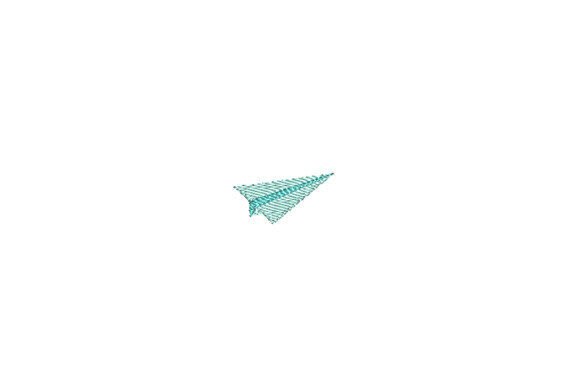
As an embroidery designer who spends hours testing files for commercial viability, I approach every new download with a mix of curiosity and skepticism. When I came across the Paper Airplane Mini Embroidery design on Creative Fabrica, it immediately caught my eye. The concept is simple: a single paper airplane rendered in machine embroidery stitches. But simplicity in embroidery is often deceptive. A design that looks cute in a thumbnail can become a tangled mess or a blurry blob if the stitch density, scale, and file structure aren’t executed perfectly.
I decided to test this machine embroidery design not just as a digital asset, but as a potential component for real-world products. My goal was to determine if this embroidery file holds up under the scrutiny of production-level quality control. Below is my honest review based on practical application, focusing on how it performs in various handmade projects and what you need to know before adding it to your inventory.
First Impressions and Visual Appeal
The visual mood of the Paper Airplane Mini Embroidery is distinctly youthful and playful. It serves as a fun gesture toward transportation aviation while acting as a subtle nod to school or classrooms. Visually, it is clean and uncluttered, which is exactly what we look for in a miniature design. There are no unnecessary frills or overly complex background elements that could distract from the main motif.
From a design perspective, the appeal lies in its versatility. Because it is a "mini" object, it fits naturally into spaces that require small, delicate details. It has a decorative appeal that works well for personalization without overwhelming the garment or accessory. For designers looking to add a touch of whimsy to custom apparel or nursery decor, this design offers a fresh alternative to more common motifs like stars or clouds.
Performance in Real Embroidery Work
When evaluating any digital embroidery file, the true test is how it stitches out. Here is how the Paper Airplane Mini Embroidery performed across several common project types:
- Tote Bags and Canvas Goods: This design excels on canvas tote bags. The sturdy fabric provides a stable base for the stitches, allowing the satin stitch edges to remain crisp. It creates a charming focal point on the front pocket or center panel of a bag, making it an ideal choice for back-to-school collections or teacher appreciation gifts.
- Baby Items and Nursery Decor: The soft, innocent theme of a paper airplane makes it perfect for baby blankets, burp cloths, and crib bumpers. On these softer fabrics, the design adds a gentle texture without being too heavy. It pairs beautifully with pastel thread colors, enhancing the handmade product aesthetic that buyers love on platforms like Etsy.
- Kitchen Towels and Aprons: For kitchen textiles, the design adds a playful touch to everyday items. When stitched onto a flour sack towel or a chef’s apron, it brings a sense of joy to domestic tasks. The compact size ensures it doesn’t dominate the fabric, leaving plenty of room for monograms or other text.
- Caps and Headwear: Stitching on curved surfaces requires precision. The Paper Airplane Mini Embroidery is small enough to fit comfortably on the front panel of a baseball cap or a bucket hat. However, care must be taken to ensure the hoop placement aligns with the curve of the hat to prevent distortion.
- Embroidered Patches: This design can also serve as the centerpiece for custom patches. Its defined shape allows for clean edge stitching, making it suitable for iron-on or sew-on applications for jackets, backpacks, and denim vests.
Practical Considerations and Technical Notes
While the design is visually appealing, there are technical factors every embroiderer must consider before mass-producing items. The small scale of the Paper Airplane Mini Embroidery means that detail retention is critical.
Hoop Size and Scale: Always confirm the recommended hoop size for this file. Because it is a miniature design, it may fit in very small hoops (4x4 inches or smaller). Ensure your machine can handle these dimensions accurately. If you plan to enlarge the design, check the output carefully; enlarging small satin stitches can sometimes lead to puckering or loss of definition.
Stitch Density and Stability: Examine the stitch density closely. In miniature designs, high density can cause the fabric to pucker, especially on lightweight materials like cotton voile or silk. For these fabrics, a light stabilizer is essential. Conversely, on heavier fabrics like denim or canvas, you might need a cut-away stabilizer to provide long-term support, ensuring the finished product withstands frequent washing.
Thread Color Contrast: The success of this design hinges on thread selection. On dark fabrics, using bright or metallic threads can make the airplane pop, but ensure the thread contrast is high enough so the details don’t get lost. On light fabrics, darker threads provide better definition. Always create a printable mockup or stitch a test swatch to verify color harmony before committing to a full production run.
Fabric Texture and Stretch: Be cautious when embroidering on stretchy knits, such as sweatshirts or t-shirts. The fill stitch areas, if present, can distort the fabric grain. Use a tear-away or water-soluble stabilizer to minimize movement during stitching. If the design includes running stitch details, ensure they are short enough to maintain integrity on flexible materials.
Impact on Product Value and Branding
Incorporating unique designs like the Paper Airplane Mini Embroidery can significantly enhance your brand’s visual appeal. Buyers today seek authenticity and attention to detail. A well-executed embroidered item signals quality and care, which builds buyer trust and encourages repeat purchases.
This design is particularly effective for commercial embroidery projects aimed at schools, teachers, and parents. It taps into seasonal trends without being overly generic. By offering personalized versions—perhaps combining the airplane with a student’s name—you create a personalized gift that feels special and thoughtful. This level of customization can justify a higher price point and differentiate your shop from competitors selling mass-produced goods.
Furthermore, the design’s versatility allows for cohesive branding. You can use the same airplane motif across a range of products, from tote bag design variations to matching sweatshirt embroidery sets. This consistency strengthens your brand identity and makes your shop look professional and curated.
Final Verdict and Recommendations
The Paper Airplane Mini Embroidery is a solid addition to any designer’s library, provided you approach it with technical diligence. It is best suited for projects where small, detailed motifs shine, such as baby items, accessories, and lightweight apparel.
To ensure the best results, follow these practical steps:
- Test on Scrap Fabric: Always stitch out a sample on the exact fabric you plan to use. Check for puckering, thread breaks, and stitch clarity.
- Review File Details: Before purchasing or downloading, inspect the product page on Creative Fabrica for specific instructions regarding thread colors and file formats. Confirm that the file is compatible with your embroidery software and machine.
- Check Licensing: If you intend to sell finished items, review the license terms carefully. Most Creative Fabrica licenses allow for commercial use of physical products, but restrictions may apply to digital resale or unlimited reproduction. Always adhere to the stated guidelines to protect your business.
- Inspect Small Details: After stitching, zoom in on the smallest details. Ensure that satin stitch edges are smooth and that no loose threads remain. Trim carefully to maintain a polished appearance.
Overall, this design captures a sense of nostalgia and playfulness that resonates with a wide audience. With proper execution and attention to technical details, the Paper Airplane Mini Embroidery can be a valuable asset in creating high-quality, marketable handmade products. It is a smart choice for designers looking to expand their offerings in the school, baby, and lifestyle categories.