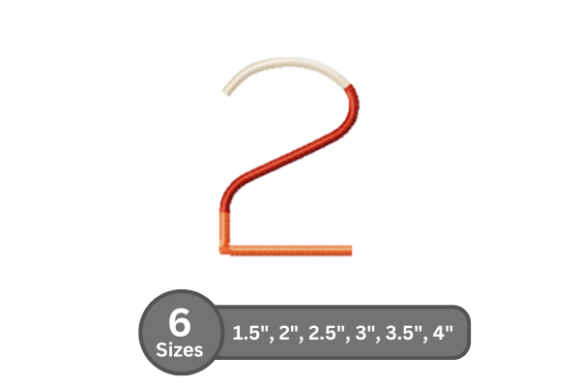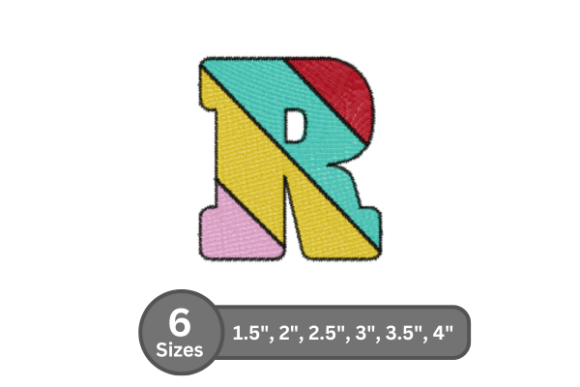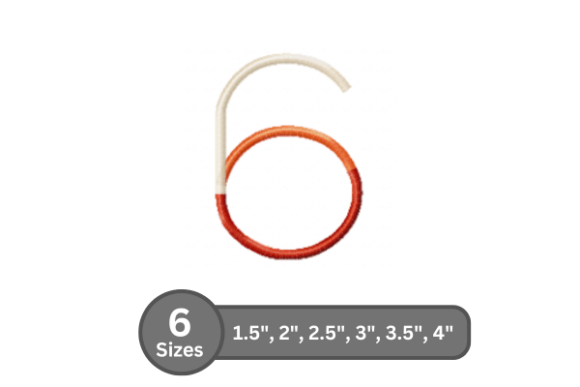
Reviewing Color Bar Number -6 for Personalized Gifts
As an embroidery designer who has spent years digitizing fonts and testing stitch patterns on everything from delicate organza to heavy denim, I know that the difference between a good product and a bestseller often comes down to small details. Today, I am reviewing Color Bar Number -6, a fill stitch embroidery font that promises smooth stitching and professional results. I put this design through its paces in my studio to see if it truly belongs in your catalog of personalized gifts. Whether you are an Etsy seller looking to expand your nursery collection or a small business owner creating custom wedding favors, understanding how a font performs before you commit to production is crucial.
First Impressions: Mood and Charm
When I first loaded the Color Bar Number -6 file into my digitizing software, the immediate takeaway was its clean, modern aesthetic. Unlike some blocky numbers that can feel rigid or industrial, this fill stitch design offers a softer, more approachable vibe. It strikes a balance between playful and elegant, making it versatile enough for a wide range of audiences.
The mood of this design is undeniably sweet yet sophisticated. The fill stitches create a textured surface that catches the light beautifully, adding depth to what could otherwise be a simple alphanumeric sequence. For a gift shop owner, this means the finished product will look expensive and thoughtful. It feels handmade because of the subtle variations inherent in machine embroidery, yet precise enough to maintain brand credibility. This emotional appeal is exactly what drives engagement on platforms like Instagram and Pinterest, where visual texture sells the dream of a custom item.
Real-World Application: From Digital File to Finished Product
To truly test Color Bar Number -6, I imagined several common customer requests. Let’s start with the highly competitive baby market. A customer wants a personalized blanket for a newborn shower. Using this font for the baby’s name and birth number creates an instant connection. Because it is a fill stitch, the letters have substance. When stitched onto a soft cotton muslin or a plush minky fabric, the contrast between the smooth background and the textured number adds a tactile element that parents love. It transforms a standard blanket embroidery project into a heirloom-quality keepsake.
Another strong use case is kitchen decor. I tested placing Color Bar Number -6 on a linen tea towel. The result was chic and modern. It works exceptionally well as part of a set—for example, numbering kitchen towels "01" through "05" for a family home. This appeals to the trend of coordinated, curated living spaces. The font’s clarity ensures that even when viewed from across a room, the numbers are legible, which is critical for functional items like an embroidered towel.
For wedding gifts, this font shines in its ability to blend tradition with modernity. Imagine a pillow cover featuring the couple’s anniversary date or room number at their reception venue. The fill stitch adds a touch of luxury that matches the formality of the occasion. It also works beautifully on aprons for couples who enjoy cooking together, offering a romantic yet practical handmade product. By using a design that feels both classic and contemporary, you attract buyers who want something unique but not overly fussy.
Expanding Your Catalog with Custom Embroidery
Beyond textiles, this design adapts well to accessories. I visualized Color Bar Number -6 on a canvas tote bag for a school event or a sports team jersey. The bold nature of the fill stitch stands up well to the rougher texture of canvas. Similarly, for nursery decor, such as wooden plaques or fabric wall hangings, the font provides a focal point that draws the eye. As an Etsy seller, having a versatile font like this allows you to create mockups for various products without needing multiple distinct designs, saving time while maintaining variety.
Where Caution Is Required
While Color Bar Number -6 is impressive, no single design fits every scenario. There are specific situations where this font may struggle, and knowing these limitations protects your reputation as a quality-focused creator.
- Small Lettering: If you attempt to use this font for very small text (under 0.5 inches), the fill stitches may merge, causing loss of definition. Always check the legibility at the intended size.
- Delicate Details: On fabrics with high texture, such as thick terrycloth towels or bouclé knits, the fine edges of the fill stitches might get lost. Test on scrap pieces of your actual target fabric.
- Stretchy Fabrics: When working with stretchy baby clothes or jersey materials, ensure you use adequate stabilizer. Without it, the tension of the fill stitches can cause puckering, ruining the finished product.
- Dark Fabric: While the design looks great on light backgrounds, visibility on dark fabrics depends entirely on your thread choice. High-contrast threads are essential here.
- Curved Surfaces: Hooping curved items like hats or sleeves can distort the shape of the numbers. Plan your hoop placement carefully to avoid stretching the design.
Boosting Perceived Value and Trust
In the world of online selling, perceived value is everything. A well-executed machine embroidery design signals professionalism. When customers see that your Color Bar Number -6 application is tight, clean, and free of loose threads, they trust that you care about quality. This trust translates directly into higher conversion rates and positive reviews.
Furthermore, the emotional connection fostered by personalized items is amplified by high-quality execution. A blurry or messy stitch job can make a heartfelt gift look cheap. In contrast, the smooth stitching promised by this font enhances the sentimental value. It tells the recipient that their memory is being preserved with care. For small shop owners, this attention to detail is your competitive advantage against mass-produced alternatives.
Practical Embroidery Notes for Success
To ensure your projects using Color Bar Number -6 meet professional standards, follow these practical steps:
- Test on Scrap Fabric: Never run a full order without testing on the exact fabric and thread combination you plan to sell.
- Check Thread Contrast: Ensure the thread color pops against the fabric. Light threads on light fabrics can disappear; dark threads on dark fabrics may lack definition.
- Confirm Hoop Size: Verify that the design fits comfortably within your standard hoop sizes to minimize re-hooping.
- Review Stitch Density: Adjust density if necessary for different fabric weights. Thicker fabrics may require denser stitching to prevent show-through.
- Use Proper Stabilizer: Match your stabilizer to the fabric type. Cut-away stabilizers are generally best for garments that will be washed frequently.
- Compare Mockups: Create digital mockups in both light and dark modes to preview the final look before stitching.
- Verify Licensing: Before selling any commercial embroidery products, confirm the commercial license terms of the digital file to avoid legal issues.
Ultimately, Color Bar Number -6 is a strong addition to any embroidery designer’s toolkit. Its blend of charm, clarity, and versatility makes it ideal for custom embroidery projects ranging from baby embroidery to wedding gifts. By paying attention to fabric choices and technical details, you can leverage this design to create products that resonate with customers and drive sales for your handmade business.