Soft Cord Number -2 Embroidery Design Review
As a designer who spends more time looking at stitch lines than actual fabric, I approach every new digital asset with a mix of hope and skepticism. The market is flooded with generic fonts and repetitive motifs, so finding something that balances aesthetic charm with technical viability is rare. That is why I decided to put Soft Cord Number -2 through its paces. This isn’t just another decorative element; it is a fill stitch embroidery font that promises smooth stitching and professional results. But does it hold up when you are actually running the machine for a paying client or a busy Etsy shop? Here is my practical evaluation based on real-world application.
The First Impression: Mood and Visual Personality
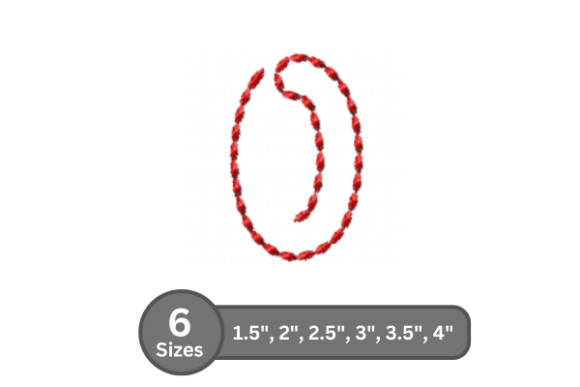
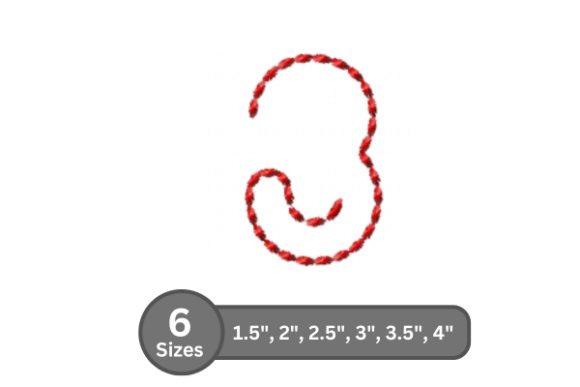
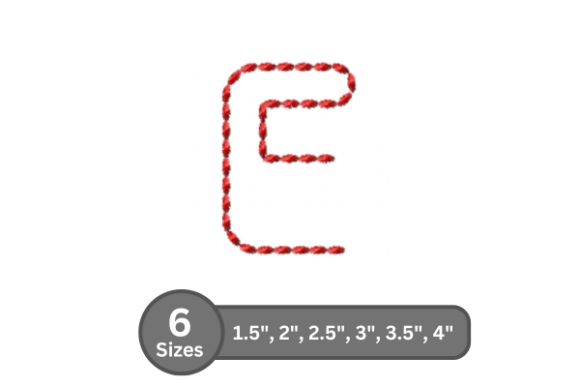
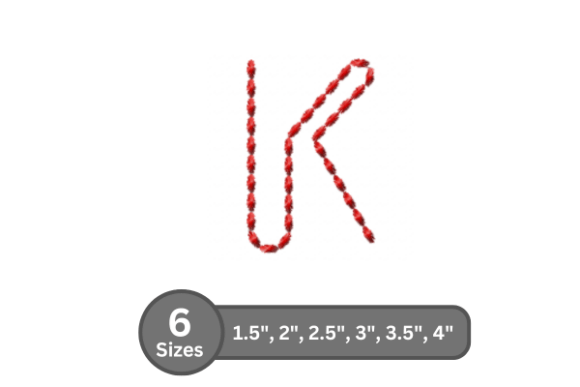
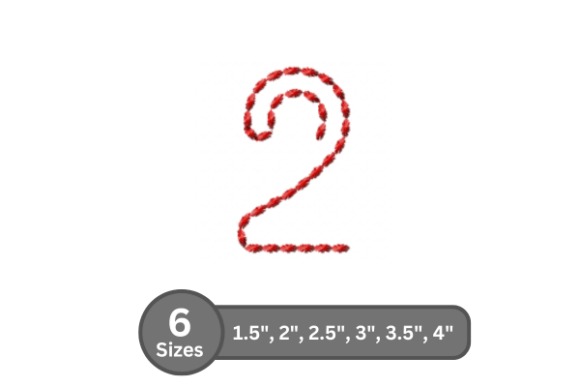
When I first loaded the design into my digitizing software, the immediate takeaway was the texture. Unlike standard block letters or rigid scripts, Soft Cord Number -2 carries a tactile quality. It mimics the look of braided cord or twisted yarn, which gives it a cozy, handcrafted vibe right out of the box. For designers working in the School category or creating personalized gifts, this visual language is powerful. It feels warm, inviting, and slightly nostalgic without being overly childish.
The shapes are clean, but they have enough variation to feel organic. This is crucial because nothing kills the perceived value of a handmade product faster than a design that looks too uniform or robotic. Soft Cord Number -2 strikes a balance between legibility and artistic flair. It creates a mood that works exceptionally well for nursery decor, baby items, and boutique branding where you want to convey care and attention to detail. It is not a loud design; it is a whisper that says, "I made this with intention."
Real-World Application: From Screen to Stitch
I tested this design across several typical scenarios to see how it translates from a digital file to a physical embroidery project. The first test was a custom embroidered tote bag for a local craft fair. Using a neutral cotton canvas, the soft cord effect stood out beautifully. The fill stitch caught the light differently depending on the angle, giving the bag a premium feel that customers noticed immediately. It transformed a simple canvas bag into a tote bag design that felt like a statement piece rather than a giveaway item.
Next, I moved to apparel, specifically a heavyweight sweatshirt. This is often a challenge for detailed fonts because the bulk of the fabric can distort the stitch pattern. However, Soft Cord Number -2 held its shape remarkably well. The digitization seems optimized for consistent tension, which means fewer puckers and less need for rework. For sweatshirt embroidery, this reliability is gold. It allows small business owners to scale production without constantly troubleshooting machine errors.
I also considered its use in smaller formats, such as an embroidered patch or a cap logo. The design’s inherent structure works well here, provided the hoop size is respected. On a baby onesie, the soft curves complement the delicate nature of the garment, making it an ideal choice for baby embroidery projects. It adds a layer of sophistication that parents appreciate, moving away from the cliché cartoon characters often found in this niche.
Where Caution Is Required
No design is perfect, and Soft Cord Number -2 has specific boundaries where it requires careful handling. One area to watch is small hoop sizes. Because the design relies on a fill stitch to create its cord-like texture, shrinking it down too much can cause the stitches to merge, losing the distinct "cord" effect and turning into a solid blob. If you are planning to use this for tiny details or micro-lettering, you must inspect the output closely.
Fabric choice plays a significant role in the final result. While it performs well on stable cottons and linens, textured fabrics or thin, stretchy materials can pose challenges. The stabilizer choice becomes critical here. On a knit fabric, for instance, you will need a strong cut-away stabilizer to prevent the stitch density from pulling the fabric out of alignment. Similarly, on dark fabrics, thread color contrast becomes the deciding factor in readability. A light-colored cord on a black background might get lost if the lighting is poor, whereas on a cream or pastel background, the design sings.
Another consideration is curved surfaces like caps or bags with complex seams. The flatness of the design assumes a relatively planar surface. When applied to a curved brim, the distortion may require additional hooping techniques or design adjustments to ensure the numbers remain upright and legible. For products that need frequent washing, such as kitchen towels or aprons, the durability of the fill stitch is generally good, but pre-washing your fabric before digitizing and stitching is always a wise step to account for shrinkage.
Impact on Product Value and Brand Consistency
For Etsy sellers and craft business owners, the difference between a mediocre listing and a bestseller often comes down to presentation. Soft Cord Number -2 elevates the perceived value of your finished product. It looks expensive because it looks intentional. When a customer sees a design that has clear definition and smooth execution, their trust in the maker increases. They assume that if the embroidery is this good, the rest of the product—seams, materials, packaging—is likely high quality too.
This design also supports brand consistency. Its versatile yet distinctive style can be used across multiple product lines, from holiday embroidery collections to everyday essentials. You can use it for monograms, names, or short phrases, maintaining a cohesive look across your inventory. In terms of digital product previews, the design renders beautifully in mockups, helping buyers visualize the end result. This reduces return rates and increases buyer engagement because the expectation matches reality.
Practical Designer Notes for Success
Before you commit to using Soft Cord Number -2 in a commercial run, there are a few essential steps to take. First, always test the design on scrap fabric that matches the weight and texture of your final product. This reveals potential issues with thread tension or stabilizer adhesion early on. Second, review the stitch density in your software. If the design looks too dense, consider reducing the underlay or adjusting the stitch length to improve flexibility, especially for wearable items.
Check your thread colors carefully. Since this is a fill stitch design, the sheen of the thread will affect the overall appearance. Polyester threads often provide a nice gloss that enhances the cord effect, while cotton threads offer a matte, rustic look. Choose based on the vibe you want for your handmade product.
Furthermore, confirm whether the design works for both personal and commercial embroidery projects. Licensing terms vary, and understanding these restrictions protects your small shop product from legal issues. If you are selling digital files alongside physical goods, ensure you have the rights to distribute them. Finally, compare light and dark fabric backgrounds during your testing phase. Sometimes a design that looks great on white fabric needs a different thread color or a backing layer to pop on darker materials.
In conclusion, Soft Cord Number -2 is a thoughtful addition to any machine embroidery design library. It offers a blend of aesthetic warmth and technical reliability that serves designers, makers, and entrepreneurs well. By respecting its limitations and preparing your materials correctly, you can create stunning personalized gifts and professional custom apparel that stand out in a crowded market. It is a tool that rewards patience and precision, delivering results that feel truly handmade.