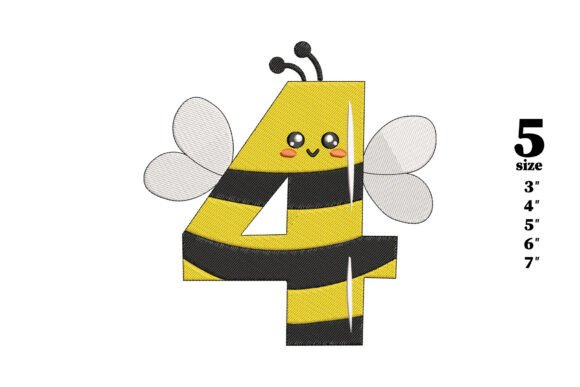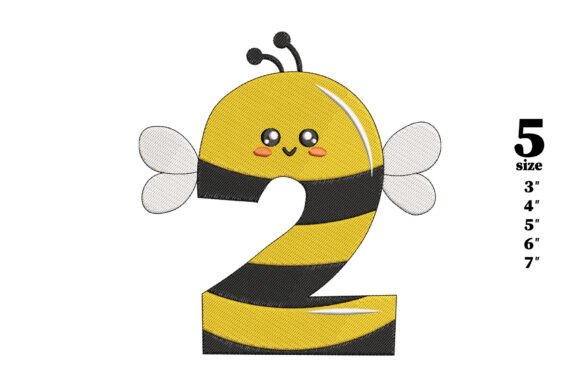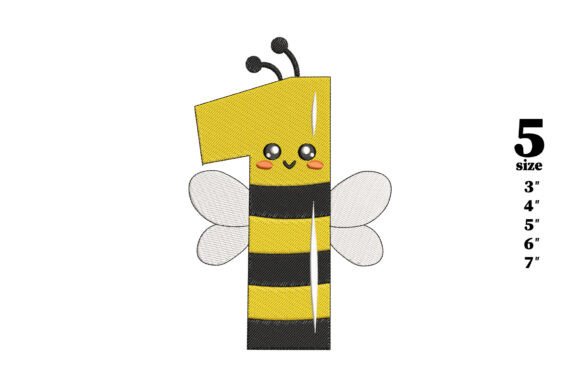
Bee in the Shape of the Number 3 Embroidery Review
As an embroidery designer who has spent years refining digitizing techniques for boutique apparel, I am always on the lookout for designs that balance whimsy with wearability. When evaluating a new asset for a client’s collection, I look beyond just the visual appeal; I assess how it will hold up on heavy fabrics, how it translates to commercial production, and whether it elevates the perceived value of the garment. Recently, I had the opportunity to review Bee in the Shape of the Number 3, a machine embroidery design categorized under School and Embroidery themes. This piece caught my attention immediately because of its unique fusion of numerical symbolism and natural imagery. Below is my professional breakdown of how this design performs in a real-world sweatshirt project.
First Impressions: Mood and Layout
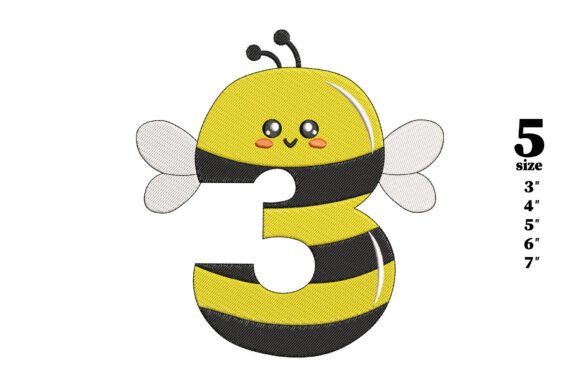
The moment I loaded the file into my hoop, the personality of Bee in the Shape of the Number 3 was evident. It is not merely a number with a bee graphic slapped next to it; rather, the design integrates the insect’s form into the structure of the numeral. The mood is playful yet structured, striking a balance between cute and bold. For a small clothing brand or Etsy seller, this distinction is crucial. A design that feels too cluttered can look cheap, while one that is too minimal might lack impact. This design sits comfortably in the "decorative" zone, offering enough detail to be eye-catching without overwhelming the fabric.
The layout suggests a strong focal point. In terms of stitching personality, it feels energetic. The curves of the number three mimic the flight path or body curve of the bee, creating a sense of motion even in a static image. This dynamic quality makes it ideal for lifestyle product photography, where you want the garment to feel alive and engaging to the potential buyer.
Application on Premium Sweatshirts
Sweatshirt embroidery presents specific challenges due to fabric thickness and texture. When testing Bee in the Shape of the Number 3 on various neutral sweatshirts, the results were promising. On heather grey or oatmeal-colored blanks, the design pops with clarity. However, the true test lies in color contrast and thread selection.
Color Strategy:
- Dark Fabric: On charcoal or navy sweatshirts, using bright yellow and black threads creates a striking, high-contrast look. This works exceptionally well for evening wear or urban streetwear aesthetics.
- Pastel Colors: On blush pink or mint green blanks, opting for metallic gold or soft cream threads can elevate the design from "casual" to "feminine" and elegant. This approach appeals heavily to the boutique market looking for gift-oriented items.
- Oversized Hoodies: The design scales well on oversized fits. Because the number three is inherently curvy, it fills the chest area nicely without looking lost in the excess fabric.
For cozy seasonal apparel, this design bridges the gap between summer motifs (bees) and cooler weather garments. It offers a refreshing alternative to typical autumnal leaves or winter snowflakes, making it a versatile addition to any small shop product line.
Practical Designer Concerns
When reviewing Bee in the Shape of the Number 3 for commercial use, several technical factors must be considered to ensure a premium finished product.
Stitch Density and Fabric Texture
The stitch density appears balanced. If the density is too high on a fleece sweatshirt, the fabric can pucker or become stiff. Based on the description stating it is "easy to stitch," I anticipate the fill stitches are optimized for standard knit fabrics. However, designers should always check the underlying code if they have access to the source file. Using the correct stabilizer is non-negotiable here. A cut-away stabilizer is recommended for sweatshirts to maintain shape after multiple washes, ensuring the thread colors remain vibrant and the design does not distort.
Hoop Placement and Readability
This design excels in standard chest placement. The height of the number three allows for clear visibility even from a distance. For custom apparel branding, placing it slightly off-center or on the sleeve can add a modern, editorial touch. However, on sleeves, one must account for the narrower hoop width. If the design is too wide, it may require resizing, which could affect the aspect ratio of the bee element. Always verify the hoop size compatibility before bulk production.
Washing Durability
A key indicator of a high-quality embroidery file is its durability. The description notes the design is "high-quality," which often implies clean underlay stitches that anchor the top threads. For a boutique brand, customer retention depends on the product surviving the wash cycle. The interplay between the bee details and the number lines must be tight enough to prevent fraying but loose enough to allow the fabric to breathe.
Commercial Potential and Brand Identity
For digital sellers and creative entrepreneurs, Bee in the Shape of the Number 3 offers significant versatility. It taps into the popular trend of personalized or symbolic numbering, which resonates with audiences celebrating birthdays, anniversaries, or team numbers. The "School" category tag suggests it could also work for classroom merchandise, teacher appreciation gifts, or student club apparel, broadening its market reach.
Using this design enhances brand identity. It signals that the seller pays attention to detail and trends. A well-executed finished product builds buyer trust. When customers see a crisp, professionally stitched design on a quality sweatshirt, they are more likely to perceive the item as a premium good, justifying a higher price point. Furthermore, the unique nature of the design aids in visual recognition; it stands out in a crowded Etsy listing against generic text-based designs.
Final Verdict for Apparel Decorators
In conclusion, Bee in the Shape of the Number 3 is a strong candidate for a limited sweatshirt drop. Its blend of fun and elegance makes it suitable for a wide demographic, from teenagers to adults seeking unique handmade goods. It performs well across different fabric types and color palettes, provided that proper stabilization and thread choices are made.
However, before moving to full-scale production, I strongly advise checking the following technical details:
- Exact Stitch Count: Ensure it aligns with your production time goals.
- File Format: Confirm compatibility with your embroidery machines.
- Licensing Terms: Verify that you have the right to sell physical goods made from this digital embroidery file.
If these boxes are checked, this design is ready to transform basic blanks into standout handmade products. It is a testament to how a simple concept, when executed with precision, can drive engagement and sales for any Etsy seller or commercial embroidery business.