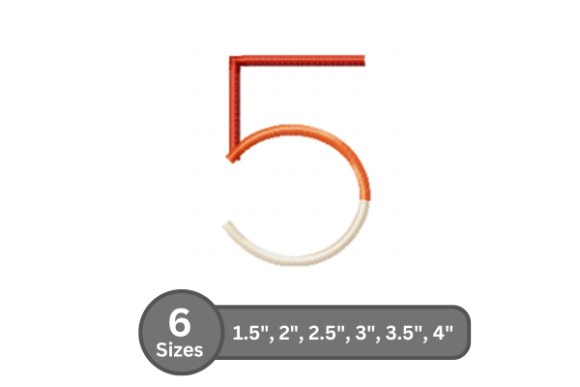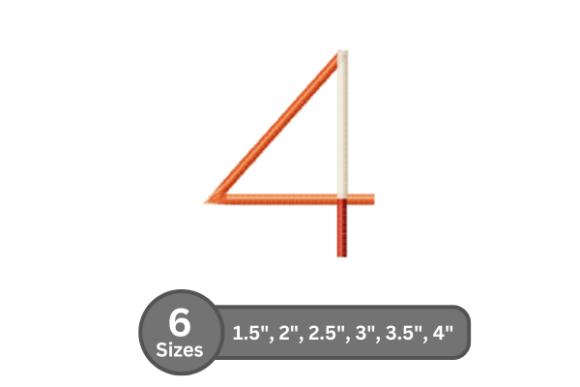
Color Bar Number -3 Embroidery Font Review
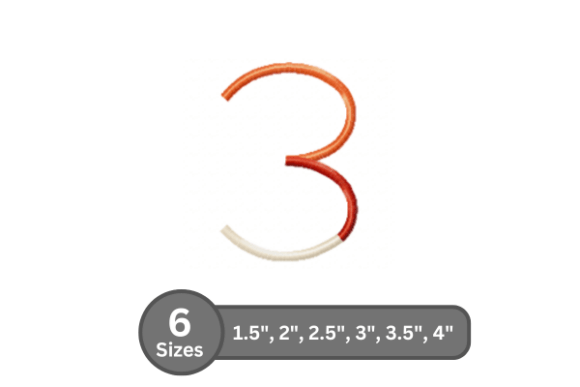
As an embroidery designer who spends hours tweaking stitch angles and adjusting density maps, I am always on the lookout for digital assets that save time without sacrificing quality. When browsing Creative Fabrica embroidery collections for my latest boutique apparel line, I stumbled upon a design that immediately caught my eye: Color Bar Number -3. It is not just another generic font; it is a fill stitch embroidery font carefully digitized for smooth stitching and professional results. Designed for embroidery machines, this font is perfect for personalizing clothing, bags, towels, and accessories.
I decided to put this design through its paces before adding it to my commercial catalog. Here is my honest review of how Color Bar Number -3 performs in real-world applications, specifically for sweatshirt embroidery and hoodie design projects.
First Impressions and Visual Mood
The moment you load the file into your embroidery software, the visual personality of Color Bar Number -3 stands out. The term "Color Bar" suggests a retro or athletic aesthetic, but the execution here feels modern and versatile. The fill stitches are dense enough to cover the fabric completely, which is crucial when working with textured materials like fleece or heavy cotton blends.
In terms of mood, this design strikes a balance between bold and playful. It has a decorative strength that makes it ideal for statement pieces but remains clean enough for subtle branding. For a boutique brand, this kind of visual consistency is vital. It doesn’t scream for attention in a chaotic way; rather, it offers a trendy, graphic appeal that photographs beautifully for social media graphics and Etsy listings.
Whether you are aiming for a cute, feminine look or a more rustic, handmade product vibe, the structure of Color Bar Number -3 allows for flexibility. By simply changing the thread colors, you can shift the entire tone of the garment from high-contrast streetwear to soft, pastel minimalism.
Performance on Apparel Projects
My primary goal was to see how this design would translate to physical garments. I selected a variety of fabrics to test the versatility of this machine embroidery design.
Sweatshirts and Hoodies
Sweatshirt embroidery is one of the most popular categories for small business owners. The fill nature of Color Bar Number -3 works exceptionally well on neutral sweatshirts. Because the stitches are packed tightly, they lay flat against the knit fabric, reducing the risk of puckering if stitched correctly. I found it particularly effective for chest placement on oversized garments, where the design becomes a focal point without overwhelming the silhouette.
For hoodie design, I tested both front center placement and sleeve accents. On dark garments, using bright thread colors creates a striking contrast that enhances the stitch density. However, on lighter hoodies, tonal stitching gives a more sophisticated, understated luxury feel. The design also holds up well as a back print, offering a large canvas for the color bars to shine.
T-Shirts and Denim Jackets
While designed for heavier items, this embroidery file can work on t-shirt embroidery if the fabric weight is sufficient. I recommend using a cut-away stabilizer to prevent distortion. For denim jackets, the rugged texture of the denim complements the structured lines of the font, creating a cool, custom apparel piece that appeals to younger demographics.
Accessories and Lifestyle Products
Beyond clothing, Color Bar Number -3 is excellent for tote bag design. The sturdy handles of canvas totes provide a stable surface for the hoop, allowing for precise stitching. It also adds a nice touch to cozy seasonal outfits, such as beanies or scarves, though care must be taken with stretchy knits.
Strategic Placement and Design Considerations
Not every placement works for every garment. As a designer, I advise being strategic about where you apply this digital embroidery file.
- Small Chest Placement: While possible, ensure the lettering size is legible. Tiny lettering can lose detail if the stitch count is too low.
- Dense Stitch Areas: The design relies on fill stitches. If placed over seams or pockets, the added bulk may be uncomfortable. Avoid placing dense areas directly over ribbed fabric, as the elasticity can distort the shape.
- Curved Surfaces: Be cautious when embroidering on curved surfaces like the shoulders of a t-shirt. The fabric tension changes, which can affect the final look.
- Stretchy Fabric: Always use appropriate stabilizers for stretchy materials to maintain the integrity of the design.
Impact on Brand Identity and Value
Using a professionally digitized design like Color Bar Number -3 significantly impacts your brand identity. High-quality embroidery signals professionalism and attention to detail, which builds buyer trust. When customers see a well-executed stitch pattern, they perceive higher value in the finished product.
This leads to better product recognition. A consistent style across your collection helps customers identify your brand instantly. Whether you are creating commercial embroidery products for wholesale or unique handmade products for direct sales, the visual impact of this design can drive customer engagement. It looks great in lifestyle product photos, making your online shop more attractive.
Practical Designer Notes for Production
Before you start mass-producing, keep these practical tips in mind to ensure the best results:
- Test on Scrap Fabric: Always run a test stitch on the same type of fabric you plan to use. This helps you gauge how the threads interact with the material.
- Check Stabilizer Choice: The right stabilizer is key. For sweatshirts, a tear-away or cut-away depending on the desired finish, but ensure it provides enough support.
- Review Thread Color Contrast: Choose threads that pop against your garment color. Dark garments benefit from light or metallic threads, while light garments look great with dark or vibrant colors.
- Confirm Hoop Size: Ensure your machine’s hoop size accommodates the design dimensions. You may need to split the design or adjust scaling if it exceeds your hoop limits.
- Inspect Stitch Density: Verify that the density is appropriate for your fabric. Too much density on thin fabric can cause puckering.
- Compare Placement Options: Try different placements on the garment to see what looks best aesthetically.
- Check Licensing: Before selling finished apparel, check Creative Fabrica product details and licensing terms to ensure you have the right to use the design commercially.
In conclusion, Color Bar Number -3 is a strong addition to any embroidery designer’s toolkit. Its smooth stitching and professional finish make it suitable for a wide range of custom apparel projects. From Etsy seller listings to small shop product launches, this design offers the versatility and quality needed to stand out in a crowded market. If you are looking to elevate your finished product with a trendy, reliable font, this is definitely worth considering.