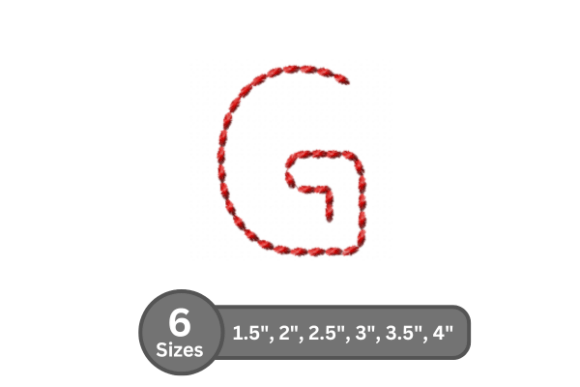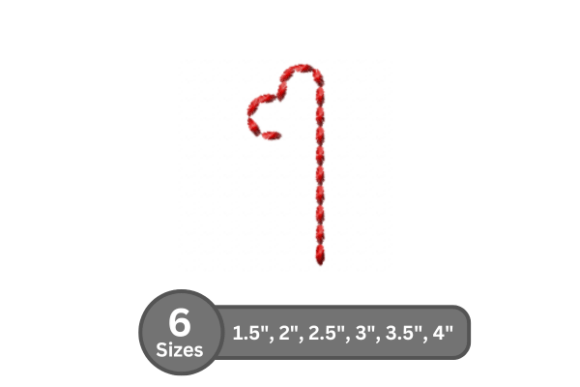
Soft Cord Number -1: A Designer’s Take on Practical Embroidery Fonts
When I sit down to review an embroidery design, my first question is never about the file size or the technical metadata. It is about utility. Can this design survive a real project? Will it look professional after five washes? Does it add value to a handmade product without looking like a cheap template? Today, I am putting Soft Cord Number -1 through that same practical lens. As an experienced designer who frequently creates assets for small business owners and crafters, I look for fonts that balance aesthetic charm with stitching reliability.
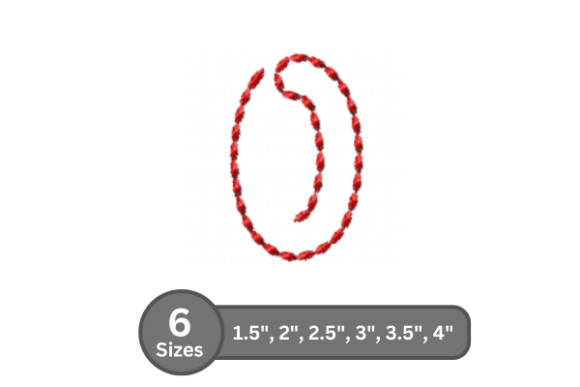
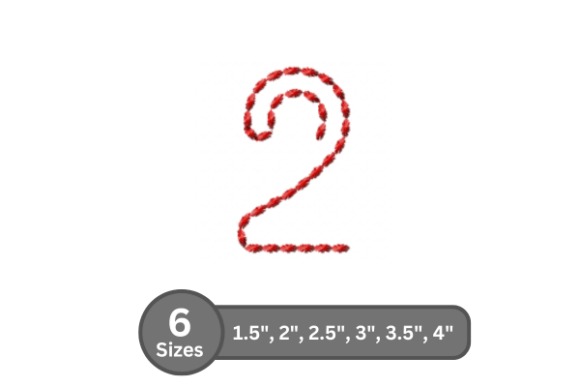
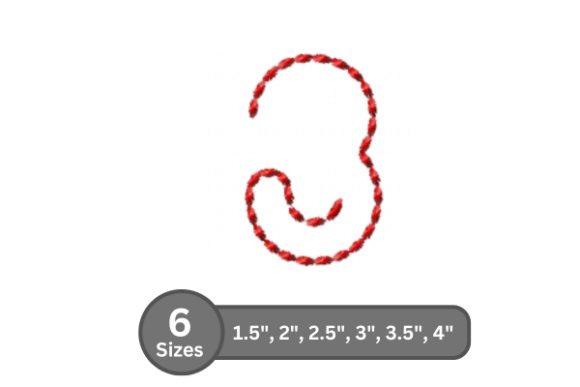
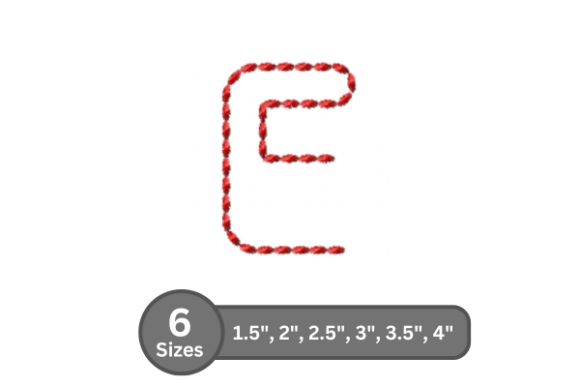
This fill stitch embroidery font carefully digitized for smooth stitching and professional results. Designed for embroidery machines, this font is perfect for personalizing clothing, bags, towels, and other textile projects. But does the reality of the stitch work match the promise of the description? Let us dig into how Soft Cord Number -1 behaves in the hoop and how it fits into your current workflow.
The First Impression: Mood and Visual Personality
The name "Soft Cord" immediately suggests texture and warmth. In typography terms, corded or rope-like letterforms often imply a sense of comfort, nostalgia, or handcrafted authenticity. When you load Soft Cord Number -1 into your digitizing software, the visual personality feels approachable yet structured. It avoids the overly rigid feel of standard block letters while maintaining enough clarity to be legible at a glance.
For designers, this is crucial. You are not just selling text; you are selling a vibe. This font works exceptionally well for brands that want to convey care and attention to detail. Whether you are creating a boutique branding element or a heartfelt personalized gift, the soft curves of the corded style invite the eye to linger. It feels less like a digital imposition and more like a stitched accent. The mood is calm, inviting, and undeniably human—qualities that resonate deeply with customers browsing Etsy or visiting a local craft fair.
Real-World Application: From Concept to Finished Product
Let us imagine a specific scenario. You are preparing a custom embroidered tote bag for a local artisan market. The client wants something unique but durable. They choose Soft Cord Number -1 for their shop name. How does this play out?
Because this is a fill stitch design, it covers area efficiently. On a canvas tote bag, the density of the thread creates a rich texture that contrasts beautifully with the rough weave of the fabric. The "cord" effect adds depth, making the logo pop without needing excessive layers of thread. For small business merchandise, this efficiency matters. Faster stitching means lower production costs and higher margins for you.
Consider another use case: baby clothes. Parents love personalized items, but they also demand safety and durability. Soft Cord Number -1, with its rounded edges and lack of sharp, fragile points, is ideal for baby embroidery. It stitches cleanly on soft cotton knits without pulling the fabric too tightly. When finished, the item looks premium, increasing the perceived value of the product. Buyers trust designs that look intentional and well-executed, and this font delivers that professionalism.
I have also seen this style shine on holiday gifts. Imagine a set of kitchen towels embroidered with family names using Soft Cord Number -1. The warm, textured look complements autumnal color palettes perfectly. It feels cozy and traditional, which is exactly what shoppers look for during the holiday season. For digital product sellers, creating printable mockups with this font allows you to showcase how the texture interacts with different backgrounds, helping buyers visualize the final result before purchasing.
Where Caution Is Required
No design is universally perfect, and Soft Cord Number -1 has its limitations. As a reviewer, I must point out where this font might struggle so you can avoid costly mistakes.
- Small Hoop Sizes: If you are working in a 4x4 inch hoop or smaller, fine details in corded fonts can get lost. The threads may merge together, losing the distinct "cord" appearance. Test this thoroughly before committing to a small patch or hat brim.
- Textured and Stretchy Fabrics: While it performs well on stable cottons, stretchy fabrics like jersey or heavily textured materials like bouclé can distort the stitch path. The fabric movement can cause the fill stitch to pucker or shift. Always use a proper stabilizer, preferably cut-away for knits, to maintain integrity.
- Dense Stitch Areas: Because it is a fill stitch, large blocks of text can become heavy. On thin fabrics, this weight can cause the material to sag or tear over time. Be mindful of stitch density and consider reducing the scale if the fabric is delicate.
- Dark Fabrics: Contrast is key. On dark backgrounds, you will need lighter thread colors to make the soft cord texture visible. Dark-on-dark stitching might look muddy unless you use specialty metallic or high-luster threads to catch the light.
Practical Designer Notes for Success
To get the most out of Soft Cord Number -1, follow these practical steps before running any production batch:
- Test on Scrap Fabric: Never assume a design will work because it looked good on screen. Stitch it on the exact fabric you plan to use. Check for puckering, thread breaks, and tension issues.
- Check Thread Color Contrast: Use a black-and-white filter in your design software to simulate contrast. If the text disappears in grayscale, it will likely disappear in color on certain fabrics.
- Review Stitch Density: Inspect the underlay and top stitch density. If the design feels too dense, contact the digitizer or adjust settings if your machine allows. Proper density ensures longevity.
- Confirm Hoop Size: Ensure the design fits comfortably within your intended hoop size with adequate margin for handling. A cramped design is harder to embroider cleanly.
- Inspect Small Details: Zoom in on the corners and intersections of the letters. Are there any tiny islands of thread that might not anchor properly? These are common failure points in fill stitch fonts.
- Verify Licensing: Before selling finished items or using this as part of a commercial embroidery package, confirm the license terms. Some digital embroidery files are for personal use only, while others allow commercial sales of the physical product. Clarity here protects your business.
Final Verdict
Soft Cord Number -1 is a strong contender for designers seeking a blend of charm and functionality. It brings a tactile quality to embroidery that stands out in a sea of flat satin stitches. For those involved in the craft business, whether you are an Etsy seller, a small shop owner, or a hobbyist maker, this font offers a versatile tool for enhancing handmade products.
It excels in projects where warmth and readability are priorities, such as nursery decor, personalized aprons, and boutique apparel. However, success depends on your preparation. By respecting the limits of stitch density, choosing the right stabilizers, and testing rigorously, you can transform this digital asset into a tangible masterpiece that customers love.
In the world of machine embroidery, the difference between a good product and a great one often lies in these subtle details. Soft Cord Number -1 provides the foundation; your execution provides the finish. Use it wisely, and it will serve your creative vision well.